Closing or relocating an office is a logistics project with a deadline. Between the lease handover date, the IT and data obligations, the furniture nobody wants to simply throw away, and the paperwork a landlord and your finance team will ask for, it is easy for a clearance to run late or cost more than it should. This checklist lays out the whole process in order — what to plan, what to clear, how to turn assets into value instead of waste, and what documentation to keep — so an admin or facilities manager can run an office shut-down in Hyderabad cleanly and on time.
Before you start: timeline, lease and stakeholders
Work backwards from your handover date. A typical office clearance needs the premises emptied, cleaned and returned in the condition the lease requires, so give yourself a buffer before the date the keys are due. Read the lease carefully for handover ('make-good' or dilapidations) clauses: some require partitions, cabling or fit-out to be removed and the space restored to its original state, which changes the scope of dismantling considerably.
Name the stakeholders early: facilities/admin as owner, IT for data and devices, finance for asset disposal and invoicing, HR for timing around the team's last working days, and your landlord or building management for access, lift booking, service-corridor use and security clearance. Agreeing access windows up front — including weekends or after-hours for a live building — prevents most clearance-day delays.
Inventory and label everything
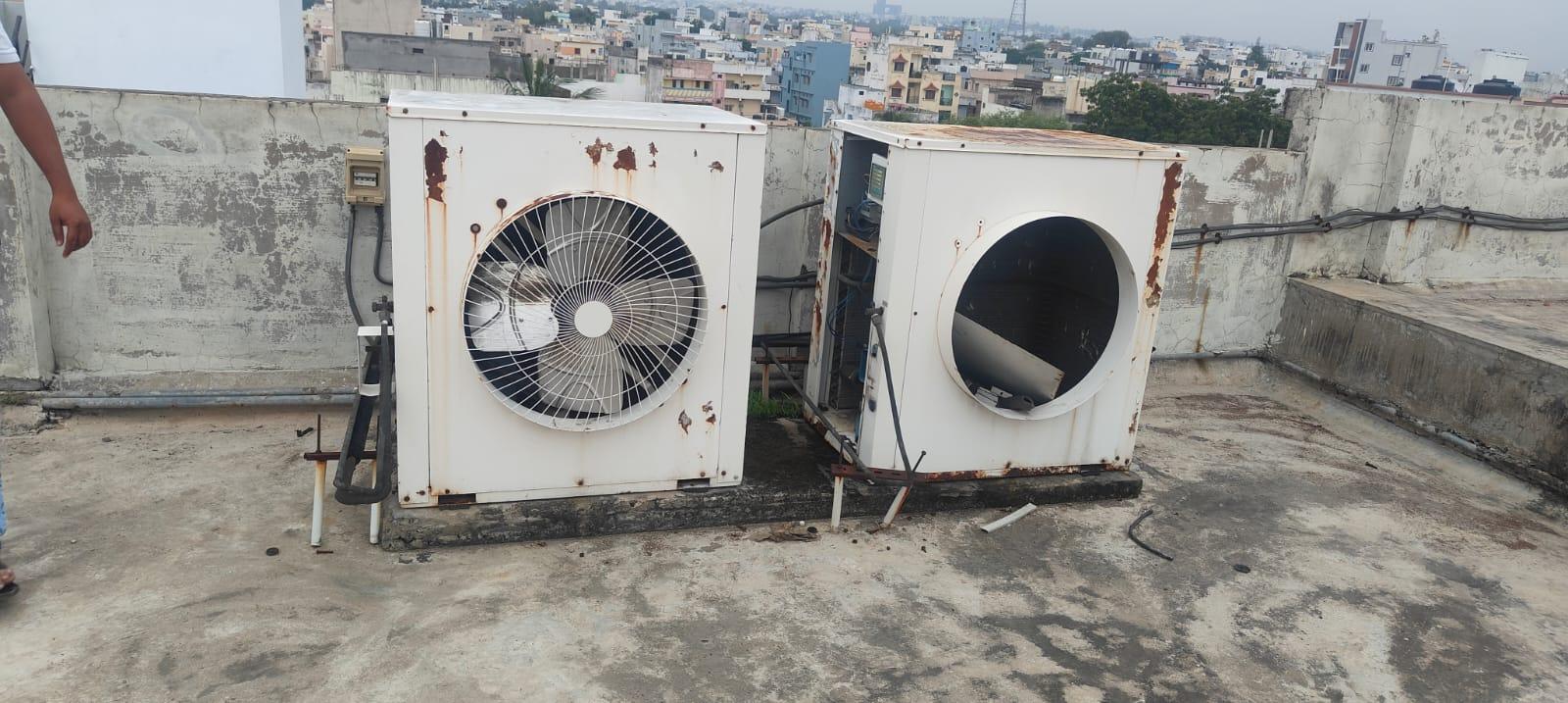
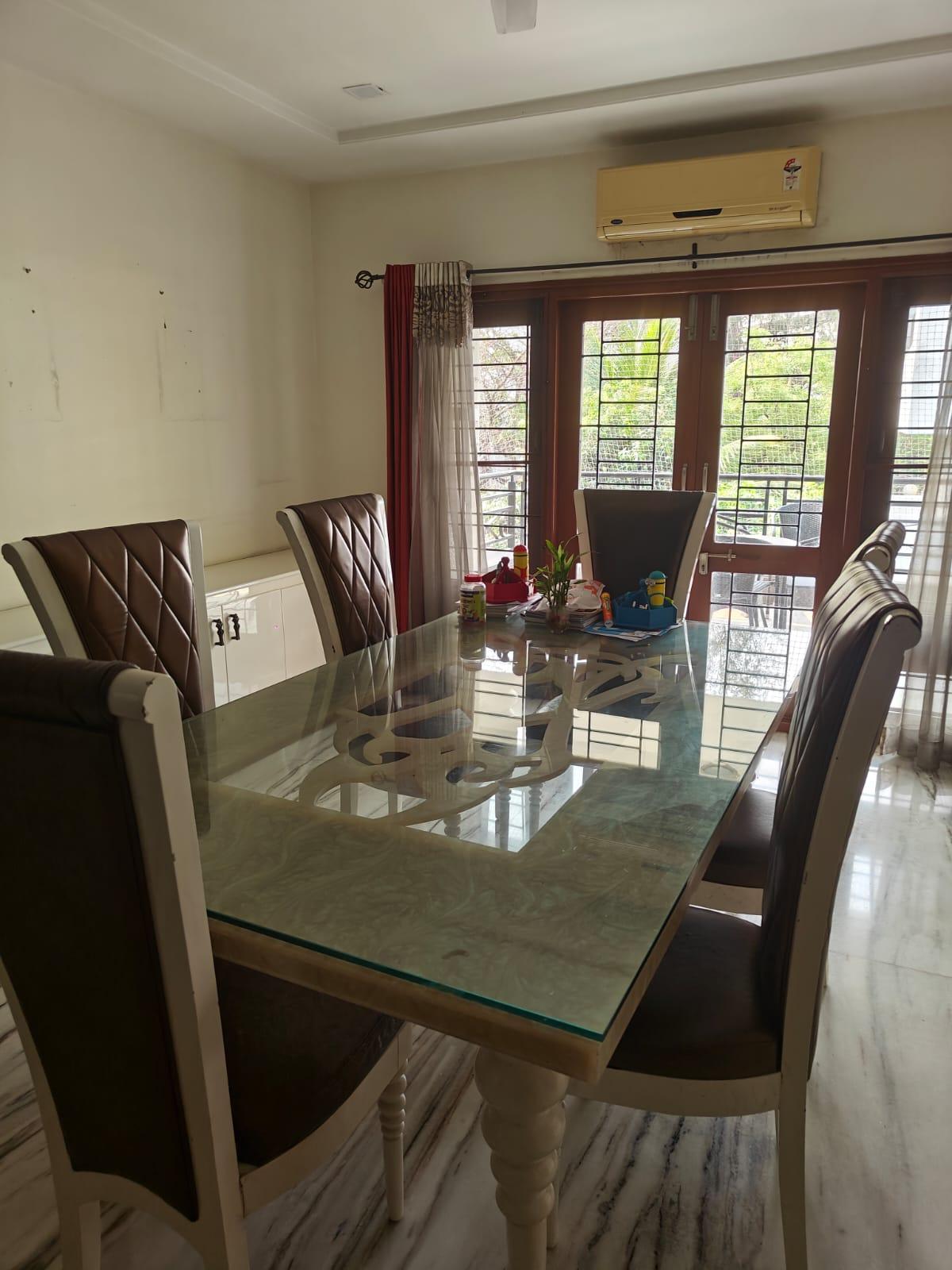
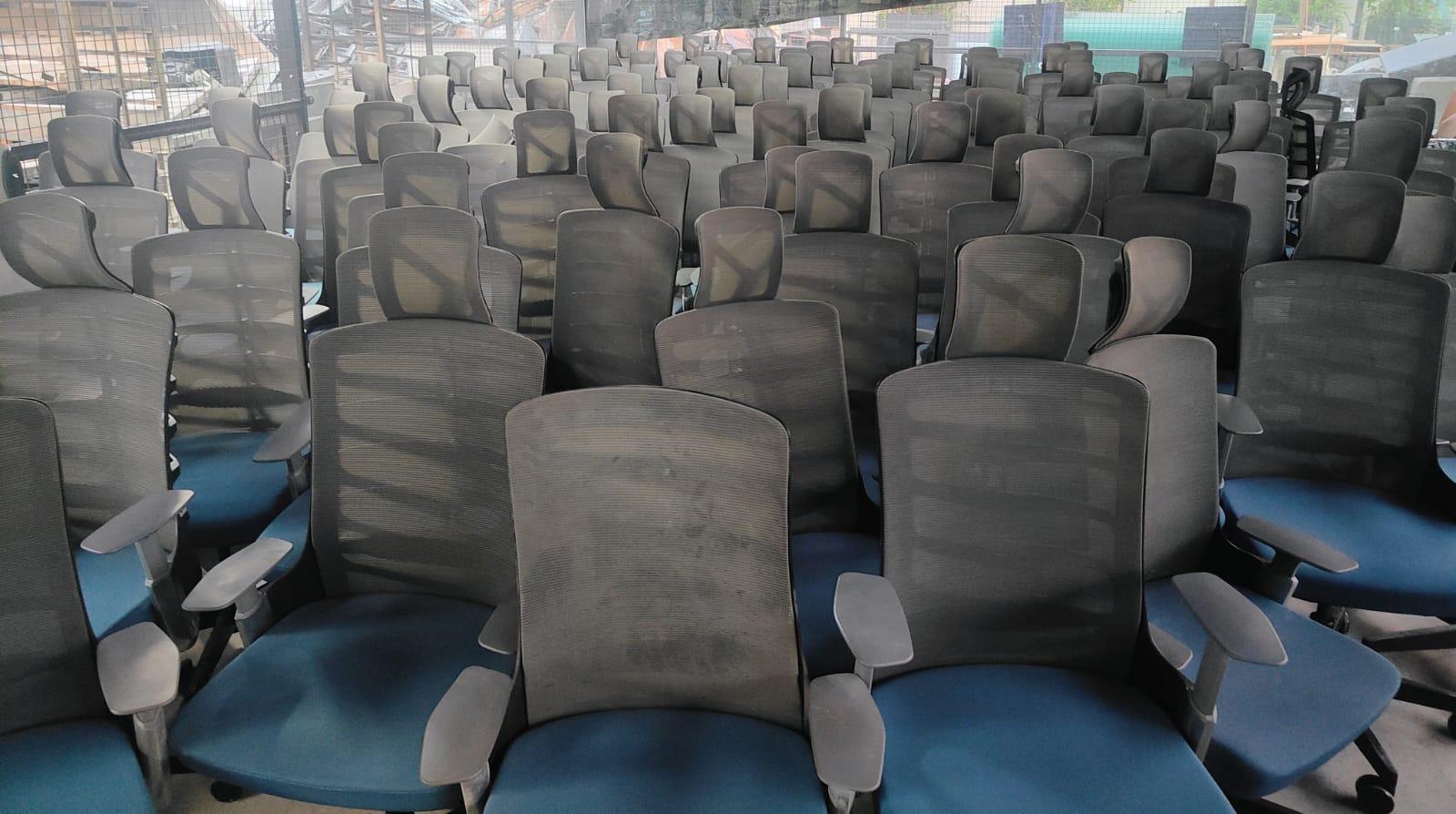
Before anything moves, walk the floor and build a simple inventory: workstations, chairs, cabins, conference and MD tables, storage and filing, partitions, server and network equipment, AC units, pantry and reception furniture, and loose IT and e-waste. Count by type — you do not need asset tags for everything, but a rough quantity per category is enough to plan vehicles and get an accurate quote.
As you go, label items by decision: keep (moving to the new office), sell/buy-back, or scrap. Colour-coded stickers or a shared sheet work fine. This single step — deciding the fate of each category before clearance day — is what keeps the day itself fast and prevents usable assets being thrown out or kept-items being cleared by mistake.
Data, IT equipment and e-waste
Treat data first, hardware second. Back up anything you need, then securely wipe or destroy data on computers, servers, storage and networking gear before they leave your control — your IT team or a trusted provider should sign off that devices are wiped. Keep a record of which devices were wiped and how.
For the hardware itself, electronic waste in India is governed by the E-Waste (Management) Rules — administered by the Central Pollution Control Board (cpcb.nic.in) and, at the state level, the Telangana State Pollution Control Board (tspcb.cgg.gov.in) — which direct electronic waste to authorised recyclers and dismantlers rather than general waste. As good practice, route old computers, servers, UPS systems and e-waste to an authorised channel and keep the paperwork. Confirm the current version of the rules and your specific obligations with the official sources before you rely on them, as requirements change over time.
Furniture and assets: resale, buy-back or scrap
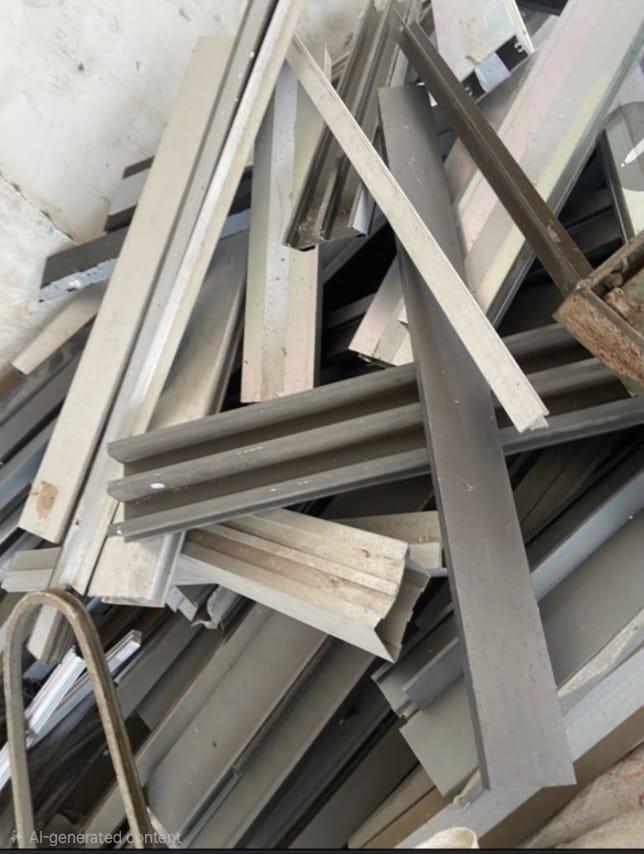
Most office furniture is worth more sold than dumped. Sort it into three buckets. Resale-grade items — workstations, good chairs, conference tables, storage — have genuine second-hand value and can be bought back as a lot. Mixed or worn items still carry material value and are priced on condition. Genuinely broken items and pure metal are valued as scrap, by weight.
The efficient route is a single buyer who takes all three in one visit, so you are not juggling a furniture dealer, a scrap dealer and an e-waste vendor separately. Royal Traders buys office furniture, IT scrap and metal together and quotes the mixed lot as one consolidated figure — which also means one invoice and one payment.
Dismantling: partitions, workstations, cabling and AC
Once decisions are made, the physical tear-down follows a sensible order: loose furniture out first, then workstations and storage, then partitions and cabins, with cabling, and AC and electrical equipment de-installed by people competent to do it. If your lease requires the space restored, this is also where flooring, false ceiling or fit-out may need removing.
This is specialist work with real safety considerations, so a trained crew with its own tools and transport is worth more than it costs. Royal Traders runs a staged tear-down with its own team, sorts material as it goes, and can plan the work around a live building — including night-shift or weekend slots — so neighbouring tenants and your own last-week operations are not disrupted.
The clearance day: weighing, inventory and payment
On the day, the two things that protect you are open weighing and a signed inventory. Metal and scrap should be weighed on a calibrated digital scale in your presence; furniture and equipment are assessed on condition. Everything is counted or weighed against an agreed inventory before it leaves the premises, so there is a clear record of what was removed and what it was valued at.
Payment should settle against that signed inventory — on the spot, by cash, UPI or bank transfer — with multi-day jobs settled each day so nothing is left outstanding. Agreeing a single consolidated figure from the inventory up front avoids a drawn-out negotiation while the crew is still loading.
Paperwork: invoices, disposal records and sign-off
Finance and your landlord will both want documentation, so collect it as you go rather than afterwards. For business sales, ask for a proper GST invoice — Royal Traders is GST registered and invoices corporate and bulk sales — and keep it with your asset-disposal records. Keep the data-wipe record and any authorised e-waste/recycling documentation together with the sale paperwork.
Finally, close out with the building: a clean, swept floor with minor wall damage made good, a walk-through with building management, and a written handover sign-off. If your lease or local trade licence requires formal closure steps with the authorities (for example through the GHMC, ghmc.gov.in, for premises or trade-licence matters), check those requirements directly with the relevant office, as they depend on your specific registration.
Your printable office-closure checklist
To make this practical, we have put the whole process into a one-page, printable checklist you can share with your team and tick off on the day — covering planning and stakeholders, inventory and labelling, data and e-waste, furniture decisions, dismantling, clearance-day checks and handover paperwork. Open it, print it, and work down the list.
When you are ready to clear the office, the simplest next step is a free site survey: share an inventory or photos and we will give you one consolidated quote, handle the dismantling and removal with our own crew, and settle against a signed inventory with a GST invoice for your records.
Where to go next
Frequently asked questions
How do I dispose of office e-waste legally?
Back up and securely wipe data first, then route electronic waste — computers, servers, UPS and networking gear — to an authorised recycler or dismantler rather than general waste, as directed by India's E-Waste (Management) Rules (CPCB, and TSPCB in Telangana). Keep the wipe record and the recycling paperwork. Confirm your exact obligations with the official sources, as the rules are updated over time.
Can one vendor dismantle and buy back everything?
Yes. Rather than using a separate furniture dealer, scrap dealer and e-waste vendor, a single buyer can dismantle the fit-out, buy back usable furniture, and take IT scrap and metal together — quoting the whole lot as one consolidated figure, with one invoice and one payment. Royal Traders handles the clearance end to end.
What paperwork does an office clearance need?
Typically a GST invoice for the asset sale, your internal asset-disposal record, a data-wipe record from IT, authorised e-waste/recycling documentation where applicable, and a signed inventory of what was removed and its value. Your landlord will also want a handover sign-off after the space is cleared and made good.
How long does an office clearance take?
It depends on the size of the floor and whether the lease requires the fit-out restored, but a survey is usually arranged the same or next day and the tear-down is scheduled around your handover deadline. Larger jobs can be run over several days or on night/weekend shifts to avoid disrupting a live building.
Related categories
Ready to sell?
Get a free, on-the-spot quote. Pickup is free across Hyderabad.